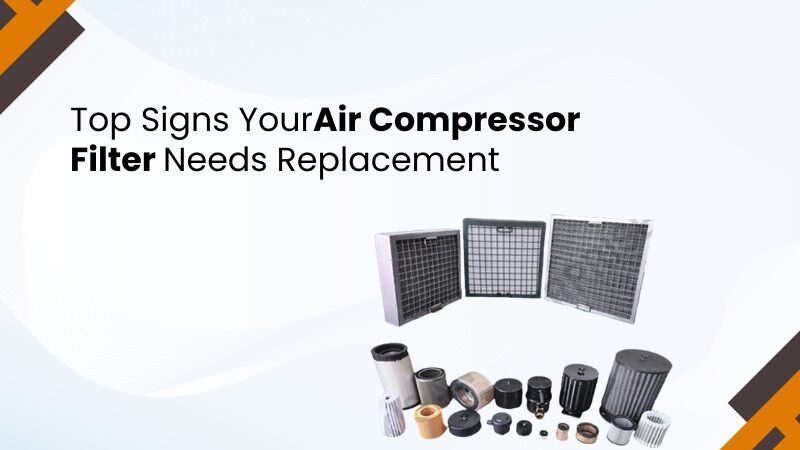
Top Signs Your Air Compressor Filter Needs Replacement
22
Apr
Air compressors are essential machines used across industries such as manufacturing, pharmaceuticals, oxygen plants, textile mills, chemical processing, and automotive sectors. To maintain smooth and efficient compressor operations, it is important to regularly inspect and replace air compressor filters.
Air compressor filters help remove dust, moisture, oil particles, and contaminants from compressed air. Over time, filters become clogged, reducing airflow and affecting compressor efficiency. Ignoring filter replacement can lead to poor performance, increased energy consumption, and costly machine breakdowns.
Industries using industrial air compressor parts should always monitor filter condition to ensure uninterrupted productivity and equipment safety.
Importance of Air Compressor Filters
Air compressor filters are one of the most important air compressor spare parts. Their primary function is to provide clean compressed air and protect internal compressor components from damage.
Benefits of high-quality air compressor filters include:
Improved airflow
Better compressor efficiency
Reduced energy consumption
Longer compressor lifespan
Lower maintenance costs
Clean and contamination-free compressed air
Using reliable air compressor filters also improves the performance of air compressor valves, valve assemblies, and other compressor components.
Top Signs Your Air Compressor Filter Needs Replacement
1. Reduced Airflow from the Compressor
One of the most common signs of a clogged air compressor filter is reduced airflow. When the filter becomes dirty, it blocks proper air intake, making the compressor work harder.
Effects of reduced airflow include:
Slow machine performance
Reduced production efficiency
Increased pressure drop
Higher energy usage
Replacing the filter restores normal airflow and improves compressor productivity.
2. Increased Energy Consumption
A dirty air compressor filter forces the compressor motor to work harder to pull air into the system. This increases power consumption and operational costs.
If your electricity bills suddenly increase, it may indicate that the air compressor filter needs replacement.
Reduce motor load
Improve energy efficiency
Lower electricity expenses
Maintain stable compressor operations
3. Unusual Compressor Noise
When airflow becomes restricted, compressors may produce unusual sounds such as:
Whistling noises
Vibrations
Loud operational sounds
These noises occur because the compressor struggles to maintain pressure levels. Replacing worn-out air compressor filters can help reduce stress on compressor components and restore smooth operations.
4. Poor Air Quality
Industries like pharmaceuticals, oxygen plants, food processing, and chemicals require clean compressed air. A damaged or clogged filter may allow contaminants, dust, and moisture to enter the system.
Poor air quality can:
Affect product quality
Damage machinery
Reduce oxygen purity
Increase maintenance requirements
Regular filter replacement ensures clean compressed air for industrial applications.
5. Frequent Compressor Overheating
Blocked air compressor filters reduce airflow inside the system, causing the compressor to overheat. Excessive heat can damage important components such as:
Air compressor valves
Pistons and rings
Valve assemblies
Compressor gland packing seals
Overheating also reduces overall equipment lifespan and increases repair costs.
6. Increased Maintenance and Repairs
If your compressor frequently requires repairs, the problem may be related to dirty filters. Clogged filters allow contaminants to enter the compressor system and damage internal components.
This can lead to issues such as:
Valve damage
Seal leakage
Pressure imbalance
Motor stress
Regular replacement of air compressor spare parts helps reduce maintenance costs and improve reliability.
7. Pressure Drops in the Compressor System
Pressure fluctuations are another indication that the air compressor filter is blocked. Dirty filters make it difficult for the compressor to maintain stable pressure.
Pressure drops can affect industrial operations by:
How Often Should Air Compressor Filters Be Replaced?
The replacement interval depends on factors such as:
Operating environment
Usage frequency
Industrial application
Air quality conditions
Industries operating in dusty or high-moisture environments may require more frequent filter replacement.
Experts recommend regular inspection of air compressor filters to maintain efficient operations.
Tips for Maintaining Air Compressor Filters
Follow Regular Maintenance Schedules
Inspect filters regularly and replace them before they become heavily clogged.
Use High-Quality Compressor Parts
Always use genuine air compressor spare parts from trusted compressor parts manufacturers.
Monitor Compressor Performance
Pay attention to airflow, pressure levels, and unusual noises.
Keep the Compressor Area Clean
A clean working environment reduces dust accumulation and extends filter life.
Industries That Require Efficient Air Compressor Filters
Air compressor filters are widely used in:
Oxygen plants
Textile mills
Chemical industries
Pharmaceutical companies
Sugar industries
Manufacturing plants
Automotive workshops
These industries depend on clean compressed air for smooth operations and equipment safety.
Conclusion
Air compressor filters play a major role in maintaining compressor efficiency, clean airflow, and equipment durability. Ignoring filter replacement can lead to overheating, pressure drops, poor air quality, and increased operational costs.
Regular inspection and timely replacement of air compressor filters help industries maintain productivity and reduce machine downtime. Kisan Enterprise provides high-quality air compressor spare parts, air compressor filters, valves, and compressor components for various industrial applications, ensuring reliable and long-lasting performance.