Welcome to Kisan Enterprise

22

Apr

Industrial air compressors are widely used in manufacturing units, oxygen plants, pharmaceutical industries, chemical processing, textile mills, and automotive sectors. These compressor systems depend on multiple components to maintain efficient airflow and pressure control. Among the most important components are valve parts and valve assembly systems.

Valve parts and valve assembly play a critical role in controlling airflow inside the compressor. They help regulate air intake and discharge processes, maintain pressure balance, and improve overall compressor performance. Using high-quality air compressor valves and valve assemblies helps industries achieve better operational efficiency and reduced downtime.

Reliable valve systems are essential for maintaining the durability and productivity of industrial air compressors.

What Are Valve Parts & Valve Assembly?

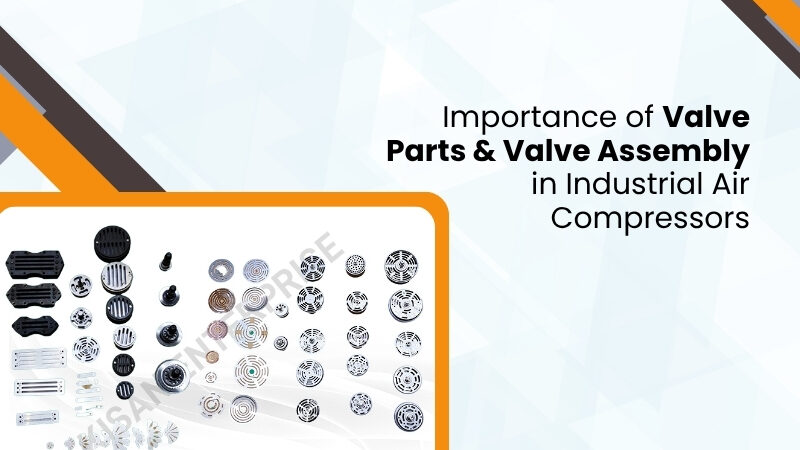
Valve parts and valve assembly are compressor components responsible for controlling the movement of compressed air within the system. These components ensure that air flows in the correct direction while maintaining proper pressure levels.

Common valve assembly components include:

These components work together to improve compressor efficiency and airflow performance.

Importance of Valve Parts in Air Compressors

Industrial air compressors operate continuously in demanding environments. Efficient valve systems are important for maintaining smooth compressor operations and reducing equipment wear.

Benefits of high-quality valve parts include:

Industries using durable valve parts & valve assembly systems experience fewer operational interruptions and improved productivity.

How Valve Assembly Improves Compressor Performance

1. Controls Airflow Efficiently

Air compressor valves regulate the movement of compressed air through intake and discharge cycles. Efficient valve assemblies ensure proper airflow and stable pressure throughout the system.

Proper airflow management helps:

High-quality air compressor valve types are designed to support demanding industrial applications.

2. Reduces Energy Consumption

Damaged or low-quality valve assemblies may cause pressure loss and airflow leakage, forcing the compressor to consume more energy.

Efficient valve systems help:

Industries can significantly reduce energy expenses by maintaining high-performance air compressor valves.

3. Prevents Air Leakage

Leakage inside the compressor system affects overall machine performance and pressure stability. Well-designed valve parts and compressor gland packing seals help prevent leakage and improve operational safety.

Leak-proof systems provide:

This is especially important in oxygen plants and chemical industries where pressure control is critical.

4. Enhances Compressor Durability

Air compressor valves operate under high pressure and continuous movement. Using durable valve spring compressor parts and valve assemblies reduces wear and tear on internal components.

Advantages include:

Industries benefit from consistent performance and reduced downtime.

5. Improves Pressure Regulation

Stable pressure is important for industrial compressor systems. Valve assemblies help maintain balanced air pressure throughout operations.

Proper pressure regulation supports:

This improves the overall reliability of air compressor spare parts and systems.

Common Types of Air Compressor Valves

Different air compressor valve types are used based on industrial requirements.

Plate Valves

Commonly used in reciprocating compressors for efficient airflow management.

Ring Valves

Known for durability and stable pressure handling.

Poppet Valves

Used in high-speed compressor applications.

Reed Valves

Designed for lightweight and compact compressor systems.

Selecting the correct valve type helps improve compressor efficiency and operational performance.

Signs of Damaged Valve Parts

Industries should inspect valve assemblies regularly for signs such as:

Ignoring damaged valve components may lead to costly repairs and equipment failure.

Maintenance Tips for Valve Parts & Valve Assembly

Conduct Regular Inspections

Inspect valve systems periodically to identify wear and damage.

Replace Worn-Out Components

Replace damaged valve springs, plates, and seals on time.

Use Genuine Compressor Parts

Choose reliable air compressor spare parts from trusted compressor parts manufacturers.

Maintain Proper Lubrication

Proper lubrication reduces friction and improves valve performance.

Monitor Pressure Levels

Regularly check the compressor pressure for smooth operations.

Industries That Use Industrial Air Compressor Valves

Valve parts and valve assembly systems are widely used in:

These industries require efficient compressor systems for continuous operations.

Choosing the Right Valve Parts Supplier

Selecting a reliable valve parts & valve assembly supplier is important for obtaining durable and high-performance compressor components.

Industries should look for suppliers offering:

Trusted suppliers help industries maintain long-term compressor efficiency and reliability.

Conclusion

Valve parts and valve assembly systems are essential for maintaining airflow control, pressure balance, and compressor efficiency in industrial applications. High-quality air compressor valves improve productivity, reduce energy consumption, and protect compressor systems from damage.

Regular maintenance and timely replacement of valve components help industries achieve smooth operations and long-lasting equipment performance. Kisan Enterprise provides reliable air compressor spare parts, valve assemblies, air compressor valves, and industrial compressor components designed for efficient and durable compressor operations across multiple industries.

FAQ

Valve parts control airflow and maintain pressure balance inside compressor systems.

Valve assemblies improve airflow efficiency, reduce leakage, and enhance compressor performance.

Common valve types include plate valves, ring valves, poppet valves, and reed valves.

Damaged valve parts may cause pressure drops, overheating, leakage, and increased energy consumption.

Industries such as oxygen plants, pharmaceuticals, textile mills, chemicals, and manufacturing use compressor valve systems.