Air Compressor Parts: Essential Components, Functions & Maintenance Guide
22
Apr
Air compressors are essential machines used across manufacturing, engineering, automotive, construction, pneumatic, and process industries. They convert mechanical energy into compressed air that can power tools, machinery, and industrial processes. Behind every reliable compressor is a combination of carefully designed air compressor parts that work together to maintain airflow, pressure, and efficient operation.
From valves and valve plates to piston components, cylinder parts, springs, and sealing elements, every component has an important role. Using the right air compressor spare parts and replacing worn components on time can help maintain compressor performance and reduce unexpected downtime.
What Are Air Compressor Parts?
Air compressor parts are the individual components that make up an air compressor and allow it to compress, control, and deliver air. Depending on the compressor type, these components can include mechanical, sealing, airflow, and pressure-control parts.
In reciprocating compressors, components such as cylinders, pistons, piston rings, valves, valve plates, springs, guides, and spacers work together during the compression cycle.
Because these components experience repeated mechanical movement, pressure, friction, and temperature changes, they require suitable materials, accurate dimensions, and proper maintenance.
Important Air Compressor Parts
Different compressor designs use different components. Some of the commonly required compressor spare parts include:
1. Compressor Valve Plates
Valve plates are important components in reciprocating compressor valve assemblies. They help control the movement of air during the suction and discharge cycles.
Proper valve plate condition is important for effective sealing and controlled airflow.
2. Finger Valve Plates
Finger valve plates are used in specific reciprocating compressor valve designs. Their movement allows compressed air to enter or leave the cylinder according to pressure conditions.
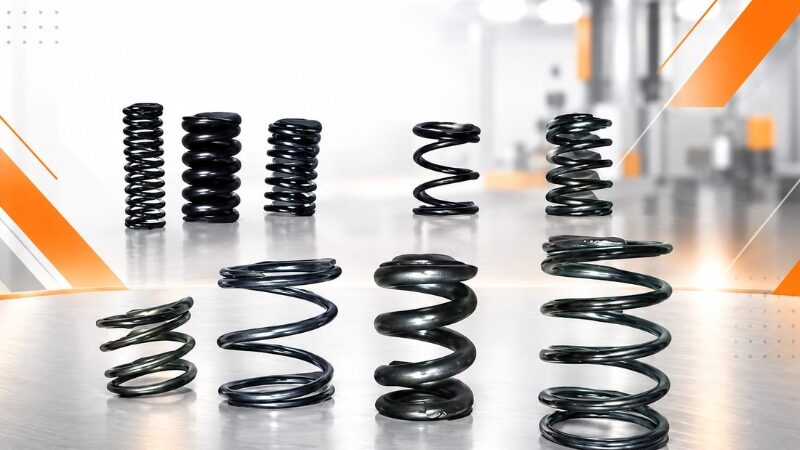
3. Channel and Springs
Channels and springs form part of various compressor valve assemblies. Springs help control the movement and closing of valve elements during compressor operation.
4. Holder Guides
Holder guides help position and support valve components within the assembly. They are available in different materials and configurations depending on the compressor application.
5. Spacer Plates
Spacer plates are precision components used within certain compressor valve assemblies. Correct dimensions and thickness are important for proper valve assembly and operation.
6. Centre Plates
Centre plates are used in selected compressor valve configurations and work together with other valve components to provide controlled airflow and sealing.
7. Cylinder Components
The cylinder provides the space where air is compressed in a reciprocating compressor. Cylinder-related components need to withstand repeated pressure and temperature cycles.
8. Piston and Piston Rings
The piston moves inside the cylinder to compress the air. Piston rings help provide sealing between the piston and cylinder wall, reducing unwanted leakage during operation.
9. Gaskets and Sealing Components
Gaskets and seals help prevent air and lubricant leakage between mating surfaces. Damaged or worn sealing components can affect compressor efficiency and reliability.
How Do Air Compressor Parts Work Together?
The different components of a compressor operate as an integrated system.
In a reciprocating compressor, the piston moves inside the cylinder. During the suction stroke, the pressure inside the cylinder decreases, allowing the suction valve to open and air to enter.
As the piston moves in the opposite direction, the air is compressed. The suction valve closes, and once the cylinder pressure is high enough, the discharge valve opens to allow compressed air to flow toward the outlet.
Valve plates, springs, guides, sealing components, pistons, cylinders, and other parts must work correctly for this process to operate efficiently.
A problem with even one important component can affect the performance of the overall compressor.
Why Quality Air Compressor Spare Parts Matter
Choosing suitable replacement components is important for maintaining compressor performance.
Improved Compressor Performance
Correctly matched spare parts can help the compressor maintain proper airflow and pressure.
Reduced Air Leakage
Good-quality valve and sealing components can help minimize unwanted leakage during operation.
Lower Downtime
Timely replacement of worn components can reduce the possibility of unexpected compressor breakdowns.
Reliable Operation
Precision-manufactured components can provide consistent fitment and support dependable compressor operation.
Better Maintenance
Having the correct air compressor spare parts available can make scheduled maintenance and repairs more efficient.
Signs That Compressor Parts Need Replacement
Regular inspection can help identify worn or damaged components before they cause major problems.
Some common warning signs include:
Reduced compressed air output
Difficulty maintaining pressure
Unusual operating noise
Excessive vibration
Increased compressor temperature
Air leakage
Higher energy consumption
Longer operating cycles
Frequent compressor shutdowns
Reduced overall efficiency
When these symptoms occur, the compressor should be inspected by a qualified technician to identify the underlying problem.
How to Choose the Right Air Compressor Parts
Selecting replacement parts should be based on the compressor’s specifications rather than appearance alone.
Check the Compressor Make and Model
Always identify the exact compressor manufacturer, model, and applicable part specifications.
Verify Dimensions
Components such as valve plates, spacers, guides, and sealing parts need to match the required dimensions and tolerances.
Consider Operating Conditions
Pressure, temperature, lubrication conditions, operating frequency, and application requirements can influence component selection.
Select Suitable Materials
Different compressor applications may require metallic or non-metallic components depending on operating conditions.
Check OEM Specifications
Where applicable, select components manufactured according to relevant OEM dimensions, tolerances, and finishing requirements.
Applications of Air Compressor Parts
Compressor spare parts are required in many industries where compressed air is used for manufacturing or process operations.
Common applications include:
Manufacturing plants
Automotive industries
Engineering industries
Construction
Pneumatic equipment
Industrial machinery
Packaging
Process industries
Workshops
Maintenance facilities
Reliable spare parts are particularly important for industrial compressors operating for extended periods or under demanding conditions.
Air Compressor Parts from Kisan Enterprise
Kisan Enterprise supplies a range of air compressor parts and compressor spare parts for industrial applications. Its product range includes valve plates, finger valve plates, channels and springs, holder guides, spacer plates, and centre plates for reciprocating compressors.
The company offers components suitable for lubricated and non-lubricated reciprocating compressor applications, with metallic and non-metallic options available for selected components.
Kisan Enterprise also lists compressor spare parts compatible with brands and models including Ingersoll Rand, ELGi, K.G. Khosla/Kirloskar, Atlas Copco, and Chicago Pneumatic.
By selecting properly matched compressor components and following an appropriate maintenance schedule, industries can help maintain reliable compressed-air operations and minimize unnecessary downtime.
Maintenance Tips for Air Compressor Parts
Proper maintenance can extend the service life of compressor components.
Inspect Valve Components Regularly
Check valve plates, springs, guides, and related components for wear, cracks, deformation, or damage.
Monitor Compressor Performance
Changes in pressure, airflow, temperature, noise, or energy consumption can indicate component-related problems.
Replace Worn Parts Promptly
Continuing to operate with severely worn components can increase the risk of damage to other compressor parts.
Follow Manufacturer Recommendations
Maintenance schedules should be based on the compressor manufacturer’s recommendations and actual operating conditions.
Use Compatible Spare Parts
Always verify dimensions, specifications, materials, and compatibility before installing replacement components.
Conclusion
Air compressor parts are critical to the safe, efficient, and reliable operation of compressed-air systems. Components such as valve plates, finger valve plates, channels, springs, holder guides, spacer plates, centre plates, pistons, rings, seals, and cylinder components each contribute to the compression process.
Regular inspection and timely replacement of worn components can help reduce downtime, maintain pressure, and support consistent compressor performance.
Kisan Enterprise provides a range of air compressor spare parts for reciprocating compressor applications, helping industries source precision components according to their compressor requirements.
Common air compressor components include valves, valve plates, cylinders, pistons, piston rings, springs, guides, spacers, gaskets, and sealing components. The exact parts vary according to the compressor type and design.
Check the compressor make, model, component dimensions, operating pressure, temperature, material requirements, and applicable manufacturer specifications before selecting a replacement part.
Replacement depends on component condition, operating hours, maintenance schedules, and manufacturer recommendations. Signs such as leakage, reduced airflow, unusual noise, or poor pressure maintenance may indicate the need for inspection.
Valve plates form part of the valve assembly and help control airflow during the suction and discharge cycles. Their condition can affect sealing, airflow, and compressor performance.
Kisan Enterprise supplies various air compressor parts and spare components, including valve plates, finger valve plates, channels and springs, holder guides, spacer plates, and centre plates for reciprocating compressor applications.