Air Compressor Maintenance: Servicing, AMC & Spare Parts Guide
22
Sep
Air compressors play an important role in manufacturing plants, textile mills, pharmaceutical facilities, chemical industries, sugar factories, and other industrial environments. They provide compressed air for machinery, pneumatic tools, automation systems, and production processes.
However, continuous operation can lead to component wear, blocked filters, lubrication problems, and other maintenance issues. Without regular servicing, these problems may affect equipment performance and cause unexpected interruptions.
Air compressor maintenance involves inspecting equipment, servicing essential components, monitoring operating conditions, and replacing worn parts when necessary. Annual Maintenance Contracts (AMCs) can also help businesses organise servicing schedules and plan maintenance expenses.
This guide explains essential compressor maintenance tasks, the benefits of AMC services, and the spare parts industrial buyers should consider when planning equipment maintenance.
What Is Air Compressor Maintenance?
Air compressor maintenance is the process of inspecting, servicing, and maintaining compressor equipment according to its design and operating requirements.
It may include checking filters, monitoring lubricant levels, inspecting valves, examining seals, and measuring operating pressure and temperature.
The maintenance schedule depends on the compressor model, operating hours, workload, and installation environment. Following the manufacturer’s recommendations helps businesses identify potential problems and maintain equipment more effectively.
Why Is Regular Air Compressor Maintenance Important?
1. Helps Reduce Unexpected Downtime
Unexpected compressor failure can interrupt production and affect machinery that depends on compressed air.
Routine inspections help identify warning signs such as unusual noise, vibration, overheating, and air leakage. Addressing these issues promptly may prevent certain breakdowns.
2. Supports Energy Efficiency
Air leaks, blocked filters, and unsuitable operating pressure can increase the energy required to deliver compressed air.
Regular servicing helps identify inefficiencies and maintain suitable operating conditions. Actual energy savings depend on the equipment’s condition and the corrective actions taken.
3. Supports Longer Equipment Life
Compressor components experience wear during operation. Correct lubrication, timely replacement of worn parts, and proper operating conditions help protect critical components.
Preventive maintenance also helps businesses plan repairs before minor problems develop into more serious faults.
4. Helps Manage Maintenance Costs
Emergency repairs can involve urgent parts procurement, additional labour, and production interruptions.
A planned maintenance programme helps businesses anticipate servicing requirements and maintain an appropriate inventory of critical spare parts.
Essential Air Compressor Maintenance Tasks
1. Inspect Air Filters
Air filters help prevent dust and airborne particles from entering the compressor. Blocked filters may restrict airflow and affect equipment performance.
Inspect filters according to the manufacturer’s recommendations and replace them when required. Industrial environments with high dust levels may require more frequent inspections.
2. Check Compressor Oil
For oil-lubricated compressors, monitor oil levels and condition according to the equipment manual.
Use the recommended lubricant and investigate unusual oil consumption, contamination, or changes in operating temperature. Oil-free compressors have different maintenance requirements.
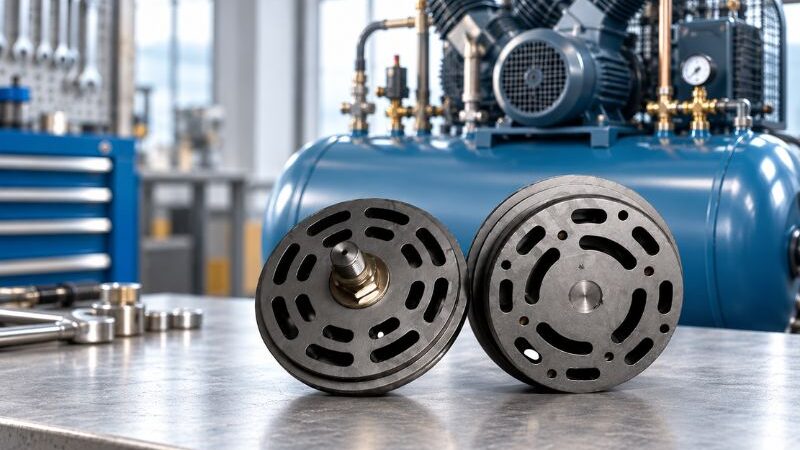
3. Examine Valves and Valve Plates
Compressor valves regulate airflow during compression. Worn or damaged valves may contribute to reduced output, pressure problems, or abnormal operating temperatures.
Inspect these components when performance changes suggest a potential issue, and ensure replacements match the compressor’s specifications.
4. Inspect Piston Rings and Seals
In reciprocating compressors, piston rings help maintain compression by sealing the piston against the cylinder wall. Worn rings may contribute to pressure loss and increased oil consumption.
Gaskets and O-rings also require inspection because damaged seals can cause leakage. Replace components using the correct dimensions and compatible materials.
5. Monitor Pressure and Temperature
Record normal operating conditions and investigate significant changes. Unusual temperatures, vibration, or noise may indicate problems with lubrication, cooling, airflow, or mechanical components.
Maintenance should be performed by qualified personnel following the manufacturer’s safety procedures.
What Is an Air Compressor AMC?
An Annual Maintenance Contract (AMC) is an agreement covering specified maintenance services for an agreed period, commonly one year.
Depending on the contract, services may include scheduled inspections, preventive servicing, troubleshooting, technical support, and breakdown assistance.
Some contracts cover labour only, while others include selected consumables or replacement parts. Businesses should review the agreement carefully before choosing an AMC provider.
Benefits of Air Compressor AMC Services
Planned Servicing
Scheduled maintenance visits help businesses organise inspections and routine servicing according to their operational needs.
Better Budget Planning
An AMC can help businesses estimate covered maintenance expenses and understand which services may involve additional charges.
Early Identification of Problems
Regular inspections may identify developing faults before they cause more significant equipment issues.
Clear Service Responsibilities
A written agreement establishes the services covered, response expectations, contract duration, and other responsibilities.
However, an AMC does not guarantee that breakdowns will never occur. Its effectiveness depends on service quality, equipment condition, and the contract’s coverage.
How to Choose the Right Compressor AMC
Before selecting a maintenance agreement, consider these factors:
Scope of services: Confirm whether inspections, preventive servicing, and breakdown visits are included.
Spare parts coverage: Check whether filters, valves, lubricants, and other components are included or charged separately.
Response times: Review the provider’s stated response time for service requests.
Service frequency: Ensure the maintenance schedule suits the compressor’s operating hours and workload.
Technical expertise: Choose a provider with appropriate experience and access to relevant technical information.
Comparing these details helps businesses choose an AMC that matches their maintenance requirements.
Essential Air Compressor Spare Parts
Selecting compatible replacement components is an important part of preventive maintenance.
Air Compressor Valves
Valves regulate airflow through the compression system. The correct valve must match the equipment’s design and specifications.
Piston Rings
Piston rings support compression and sealing in reciprocating compressors. Their condition affects performance and oil management.
Air and Oil Filters
Filters remove contaminants from incoming air or circulating lubricant in compatible systems. Timely replacement helps maintain appropriate system operation.
Gaskets and O-Rings
These sealing components help prevent leakage at designated joints and connections. Correct dimensions and material compatibility are essential.
Crankshafts and Connecting Rods
These mechanical components support piston movement in reciprocating compressors. They should be inspected when abnormal noise, vibration, or mechanical wear is suspected.
Other components, such as valve plates, cylinder assemblies, piston rods, and oil scraper rings, may also require attention depending on the compressor design.
How Kisan Enterprise Supports Compressor Maintenance
Reliable access to suitable replacement components helps industrial maintenance teams manage routine servicing and equipment repairs.
Kisan Enterprise supplies air compressor spare parts for industrial requirements, including valves, piston rings, air filters, oil filters, gaskets, O-rings, crankshafts, connecting rods, and other components.
When enquiring about a replacement part, provide the compressor make and model, part number if available, and application details. This helps establish the required specifications and compatibility.
Contact Kisan Enterprise to enquire about suitable spare parts for your industrial compressor maintenance requirements.
Conclusion
Regular air compressor maintenance helps businesses manage equipment wear, support reliable performance, and reduce avoidable production interruptions. Routine inspections, proper lubrication, filter replacement, and timely servicing are important elements of an effective maintenance programme.
An appropriate AMC can further support maintenance planning when its coverage, response times, and spare parts provisions match the business’s requirements.
Kisan Enterprise offers a range of air compressor spare parts for industrial maintenance needs. Combining compatible replacement components with manufacturer-recommended servicing helps businesses work towards dependable compressor operation and more effective long-term maintenance planning.
Service frequency depends on the compressor model, operating hours, workload, and environment. Follow the manufacturer’s recommended maintenance schedule.
Air filters, oil filters, valves, piston rings, gaskets, and O-rings may require inspection depending on the compressor design and operating conditions.