How to Choose the Right Screw Compressor Oil for Industrial Applications
22
Sep
Industrial air compressors are essential for manufacturing plants, textile mills, pharmaceutical facilities, chemical industries, and other industrial applications. These machines provide compressed air for pneumatic tools, production equipment, automation systems, and various industrial processes. To maintain their performance and reliability, selecting the right screw compressor oil is an important part of compressor maintenance.
Compressor oil performs several functions, including lubrication, heat management, and protection against wear. Using an unsuitable lubricant can affect equipment performance, increase maintenance requirements, and contribute to unexpected downtime.
However, not every compressor oil is suitable for every machine. Factors such as compressor type, operating temperature, workload, and manufacturer recommendations must be considered before selecting a lubricant.
In this guide, we explain the types of screw compressor oil, the factors to consider when choosing the right product, and the maintenance practices that support reliable industrial compressor operation.
What Is Screw Compressor Oil?
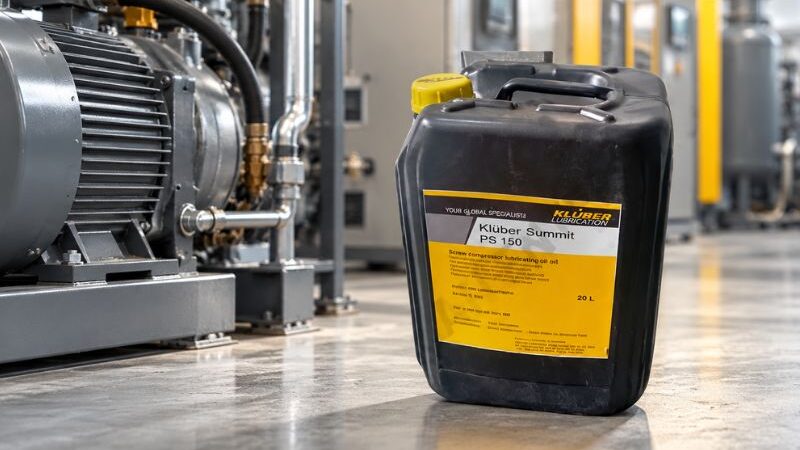
Screw compressor oil is a specialised lubricant used in screw air compressors. In oil-injected rotary screw compressors, it circulates through the system to lubricate suitable components, help remove heat generated during compression, and support reliable operation.
The correct lubricant depends on the compressor design and operating requirements. Oil-free compressors have different lubrication arrangements, so the recommended product must always be checked against the equipment manufacturer’s specifications.
Choosing the right oil helps maintain appropriate operating conditions and supports the long-term performance of the compressor.
Types of Screw Compressor Oil
Understanding the available lubricant types can help industrial buyers make informed decisions.
1. Mineral-Based Compressor Oil
Mineral-based compressor oils are formulated from refined mineral base oils and suitable additives. They may be appropriate for compressors operating under conditions specified by the manufacturer.
Their performance and service life depend on the formulation, operating temperature, workload, and contamination levels. Always verify the required specifications before selecting mineral-based oil.
2. Synthetic Compressor Oil
Synthetic compressor oils use synthetic base stocks and specialised additives. Depending on the formulation, they may offer improved oxidation stability and performance under demanding operating conditions.
Some synthetic lubricants may support longer service intervals than conventional oils, but this depends on the product and equipment requirements. Synthetic oil should not be selected solely because it is marketed as a premium option.
3. Specialised Compressor Lubricants
Certain industrial applications require specialised lubricants based on equipment design, operating temperature, or process conditions.
For example, food-processing applications may require lubricants meeting specific food-grade standards. Oxygen-service equipment requires specialised engineering and lubricant compatibility considerations. Ordinary air-compressor oil should never be assumed suitable for oxygen-contact applications.
How to Choose the Right Screw Compressor Oil
Selecting suitable compressor oil involves evaluating several technical factors.
1. Check the Manufacturer’s Recommendations
Start by reviewing the compressor manual or approved lubricant list. The manufacturer may specify the required viscosity grade, lubricant type, performance standards, and replacement interval.
Using a compatible lubricant helps ensure that the oil meets the equipment’s operating requirements. If the recommended product is unavailable, consult the manufacturer or a qualified technical professional before choosing an alternative.
2. Select the Correct Viscosity
Viscosity refers to a lubricant’s resistance to flow. Oil that is too thick or too thin for the application may not provide the intended lubrication performance.
The correct viscosity depends on the compressor design, operating temperature, and manufacturer’s specifications. Avoid selecting oil based only on its price or appearance.
3. Consider Operating Temperature
Industrial compressors may operate continuously for extended periods, generating heat during compression. The selected lubricant must be suitable for the specified operating temperature.
If the compressor regularly overheats, inspect the cooling system, ventilation, filters, and operating conditions. Changing the oil alone may not solve the underlying problem.
4. Evaluate Operating Hours and Workload
A compressor operating continuously in a manufacturing plant may have different maintenance requirements from one used intermittently.
Consider daily operating hours, workload variations, and environmental conditions when planning lubricant inspections and replacements. Follow the manufacturer’s recommended service schedule.
5. Check Compatibility Before Changing Oils
Different compressor oils may contain different base stocks and additives. Mixing incompatible formulations can affect lubricant performance.
Before changing the oil type or brand, confirm compatibility and follow the manufacturer’s instructions for draining, flushing, and refilling the system where necessary.
6. Choose a Reliable Supplier
Industrial buyers should select products with clear specifications and suitable documentation. A reliable supplier should help confirm whether the lubricant or replacement component matches the equipment’s requirements.
Always verify product suitability before purchasing, particularly when working with specialised industrial compressors.
Benefits of Proper Compressor Oil Maintenance
Using suitable screw compressor oil and maintaining it correctly offers several benefits.
Temperature management: Oil supports heat removal in oil-injected screw compressors.
Reliable performance: Correct lubrication helps maintain the intended operating conditions.
Better maintenance planning: Scheduled oil inspections and replacements help identify potential issues.
Equipment longevity: Proper lubrication supports the long-term condition of compressor components.
These benefits also depend on correct installation, suitable operating pressure, effective cooling, and regular equipment inspections.
Signs of Compressor Oil Problems
Recognising warning signs can help prevent more serious equipment issues. Common symptoms include unusual oil discolouration, excessive oil consumption, abnormal operating temperatures, and deposits in the lubrication system.
These signs may indicate lubricant degradation, contamination, or another mechanical fault. A qualified technician should inspect the system to determine the cause.
Do not continue operating equipment outside its recommended limits when a serious fault is suspected.
Best Practices for Screw Compressor Oil Maintenance
Follow these practices to maintain the lubrication system effectively:
Check oil levels according to the manufacturer’s instructions.
Use the recommended lubricant and viscosity grade.
Replace oil at the specified service interval.
Inspect oil filters and separators where applicable.
Keep the lubrication system clean during servicing.
Investigate unusual oil consumption or temperature changes.
Maintain records of operating hours and oil replacements.
A consistent maintenance schedule helps businesses monitor compressor condition and plan servicing more effectively.
How Kisan Enterprise Supports Industrial Compressor Requirements
Compressor maintenance involves more than choosing the right lubricant. Filters, valves, piston rings, gaskets, and other components also require suitable inspection and replacement when necessary.
Kisan Enterprise supplies air compressor spare parts for industrial requirements, including valves, piston rings, air filters, oil filters, gaskets, O-rings, crankshafts, and other compressor components.
When enquiring about a product, provide the compressor make and model, part number if available, and application details. This information helps establish the required specifications and compatibility.
Conclusion
Choosing the right screw compressor oil is essential for supporting lubrication, managing operating temperatures, and maintaining reliable industrial compressor performance. Factors such as viscosity, equipment specifications, operating conditions, and lubricant compatibility should always guide the selection process.
Regular inspections and timely oil replacement can also help identify potential issues before they develop into major equipment problems.
Kisan Enterprise supports industrial compressor maintenance requirements with a range of air compressor spare parts for different applications. Combining compatible components with manufacturer-recommended maintenance practices helps businesses work towards reliable operation, reduced unplanned downtime, and better long-term equipment care.
Mineral oils use refined mineral base oils, while synthetic oils use synthetic base stocks. Their performance depends on formulation and operating conditions.