Welcome to Kisan Enterprise

22

Feb
In industrial air compressor systems, performance and efficiency depend on the proper functioning of multiple internal components. Among these, compressor piston rings play a crucial role in maintaining pressure, reducing leakage, and ensuring smooth operation. Used across industries such as manufacturing, pharmaceuticals, chemicals, oxygen plants, and textile mills, piston rings are essential for maintaining consistent airflow and system reliability. Despite being small in size, their impact on compressor performance is significant. In this blog, we will explore everything about compressor piston rings, including their types, uses, benefits, and maintenance tips.

What Are Compressor Piston Rings?

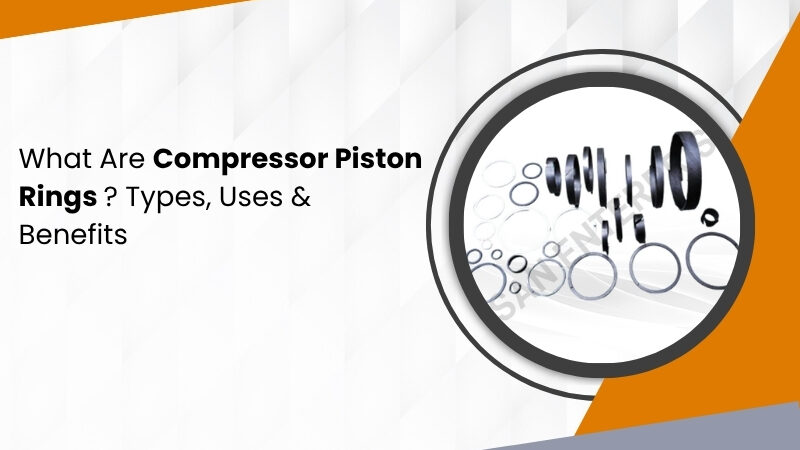
Compressor piston rings are circular metallic components fitted into grooves on the outer diameter of a piston. These rings form a tight seal between the piston and the cylinder wall inside an air compressor.

Their primary function is to prevent compressed air from escaping, ensuring efficient pressure buildup within the cylinder.

Key Functions of Compressor Piston Rings

Types of Compressor Piston Rings

1. Compression Rings

Compression rings are responsible for sealing the air inside the cylinder. They ensure that the compressed air does not leak during operation, making them critical for maintaining efficiency.

2. Oil Control Rings

These rings regulate the amount of oil present in the cylinder. They help maintain proper lubrication while preventing excess oil from entering the compression chamber.

3. Oil Scraper Rings

Oil scraper rings remove excess oil from the cylinder walls, ensuring clean air output and preventing contamination.

4. Wear Rings

Wear rings reduce friction between the piston and cylinder, enhancing durability and extending the lifespan of the compressor.

Industrial Applications of Compressor Piston Rings

Compressor piston rings are widely used in various industries:

Manufacturing Industry

Used in pneumatic tools, automation systems, and assembly lines.

Pharmaceutical Industry

Ensures clean, contamination-free compressed air for sensitive processes.

Textile Mills

Maintains consistent airflow for machinery and production units.

Chemical Industry

Supports high-pressure operations and process control systems.

Oxygen Plants

Critical for generating and maintaining a high-pressure oxygen supply.

Benefits of High-Quality Compressor Piston Rings

Improved Efficiency

Proper sealing reduces air leakage and increases output.

Energy Savings

Efficient compression leads to lower power consumption.

Extended Equipment Life

Reduces wear and tear on internal components.

Better Air Quality

Prevents breakdowns and accidents.

 Reduced Maintenance Costs

Durable piston rings minimise frequent replacements.

Signs of Worn-Out Piston Rings

Timely replacement is essential to avoid system failure.

Maintenance Tips for Compressor Piston Rings

Conclusion

Compressor piston rings are vital components that ensure efficient sealing, consistent pressure, and smooth operation of air compressors. Choosing high-quality piston rings not only enhances performance but also reduces maintenance expenses and extends the lifespan of the equipment.

At Kisan Enterprise, we understand the importance of precision-engineered compressor spare parts for industrial applications. We design our range of high-quality compressor piston rings to deliver durability, efficiency, and reliable performance across various industries. Partnering with the right supplier, like Kisan Enterprise, ensures your compressor systems operate at peak efficiency with minimal downtime.

FAQs – Compressor Piston Rings

Piston rings create a seal between the piston and cylinder, preventing air leakage and maintaining pressure.

It depends on usage, but typically every 6–12 months in heavy industrial applications.

Failure can lead to pressure loss, increased oil consumption, and reduced efficiency.

Common materials include cast iron, steel, and advanced alloys for durability.

Yes, inefficient sealing increases power usage and reduces performance.

Different compressors require specific types of piston rings based on design and usage.